

 Facebook
 X
 Pinterest
 Copy Link
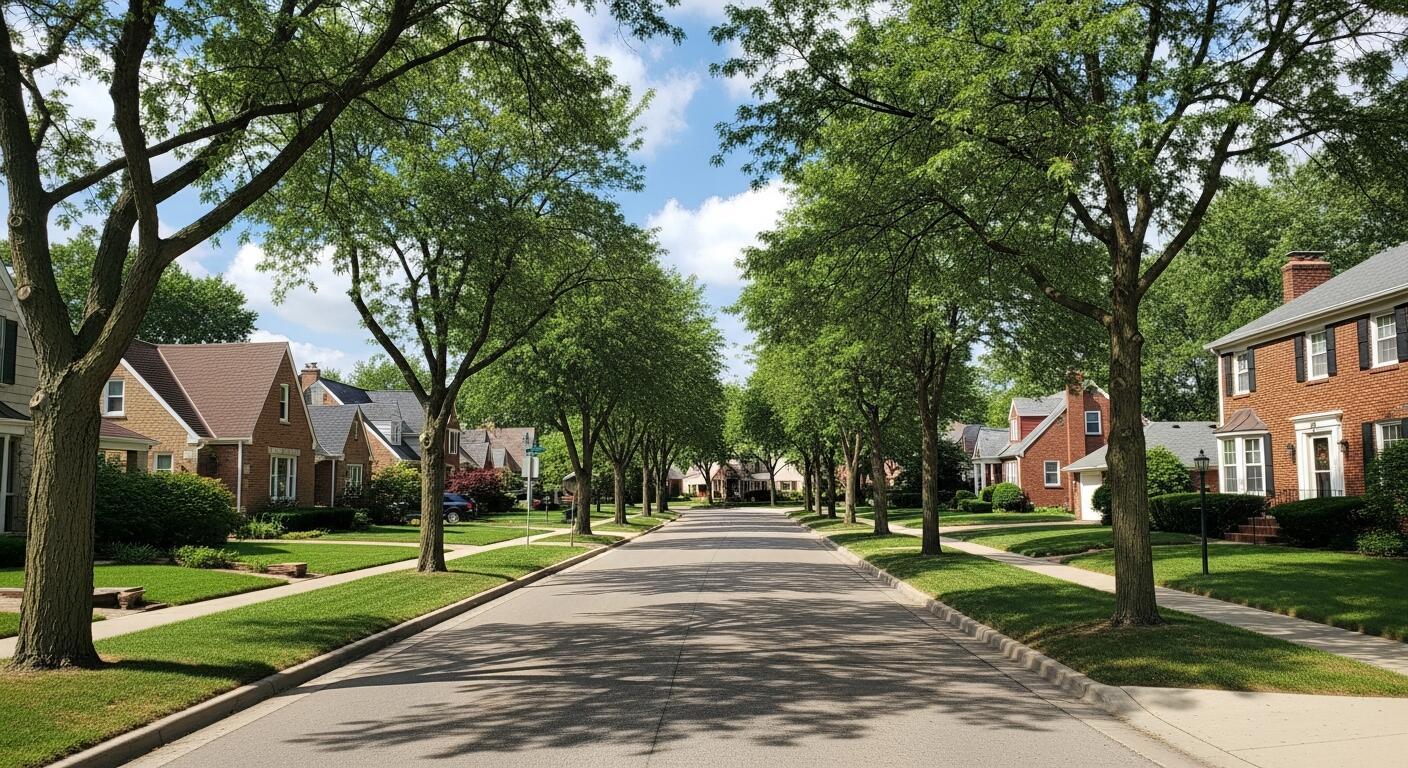
A neighborhood street in the Chicago suburbs
A home in Bartlett may sell in days. A similar home nearby might sit for weeks. So what does that say about the western suburbs housing market?
On its own, not much. One sale cannot tell you how the whole market is doing. Instead, look at a few key figures and how they fit the type of home you want to buy or sell.
The Western Suburbs Housing Market Changes by Location
A headline about home sales across Chicago may sound useful. However, it may tell you little about a house in Geneva or a condo in Schaumburg.
Each town has its own mix of homes and price points. Even within one town, two homes can face very different demand. A small condo, a large house, and a newer townhome may draw different groups of buyers.
So start with the area and home type that matter to you. Then compare data from the same town or nearby areas with similar homes. County or metro data can add context, but it should not replace a close look at local sales.
What Does the Median Sale Price Tell You?
The median sale price is the middle price in a group of sold homes. Half sold for more, and half sold for less.
That can help you see a broad trend. Still, a higher median does not always mean the value of every home went up.
Imagine that more large homes sell this month than last month. The median price may rise, even if similar homes sell for about the same amount. Also, one month of data can be hard to judge when few homes have sold.
For a more useful view, compare similar homes over several months. Look at their size, style, age, condition, and location. A well-kept home with recent updates may sell for more than one that needs major work.
More Listings Can Change the Choices Buyers Have
Housing inventory means the number of homes for sale at a given time. When more homes are on the market, buyers may have more choices. When few are listed, they may have to act faster.
However, the number alone can be misleading. Ten homes for sale may sound like plenty. But if eight are outside your price range, they do little to help your search.
Also, watch how many new homes come up for sale and how many go under contract. If homes keep selling as fast as new ones arrive, buyers may still face strong demand.
For sellers, the key question is how many similar homes are competing for the same buyers. A home priced well for its area may stand out, even when more listings appear.
Days on Market Need Some Context
Days on market tracks how long a home was listed before it went under contract or sold, based on the report’s rules. A low number can point to quick sales. Yet it does not mean every home will sell that fast.
A house may stay listed longer because of its price, condition, layout, or showing limits. On the other hand, a home may sell quickly because it was priced to draw a lot of interest.
So avoid judging a property by its days on market alone. Instead, ask how long similar homes took to sell and whether the asking price changed along the way.
The Asking Price Is Not the Sale Price
A listing price is what a seller asks. The sale price is what a buyer agrees to pay in a completed sale.
The gap between those two figures can help show how buyers respond to prices. But there is an important detail: some reports compare the sale price with the first asking price. Others use the most recent asking price.
For example, say a house starts at $500,000. The seller cuts the price to $475,000, and it sells for $480,000. That is above the final asking price, but below the first one.
As a result, a home sold above asking does not always mean its seller got more than expected. Check which price the report uses. Also, keep in mind that sale figures may not show seller credits or other terms.
Where Can You Check Local Housing Data?
The Illinois REALTORS® market reports track home prices, sales, inventory, and time on the market. They offer a useful view of the state, Chicago metro area, and counties. However, they do not provide a full report for each suburb.
For a home in Bartlett, Bloomingdale, or South Elgin, recent sales of similar homes can give a clearer view. A local REALTOR® can help you check those sales and the homes still for sale.
If you have not picked an area yet, read my guide to choosing a community in Chicago’s western suburbs. It can help you weigh daily needs along with your home search.
Make the Numbers Work for Your Next Move
The western suburbs housing market cannot be summed up by one price or one headline. What matters is how homes like yours are doing in the area you care about.
If you’re planning to buy or sell, I can help you review local sales, current listings, and the choices in front of you. That gives you a clearer place to start.
Mario Grado, REALTOR®
Coldwell Banker Realty
630-536-4560
Mario.Grado@cbrealty.com
