

 Facebook
 X
 Pinterest
 Copy Link
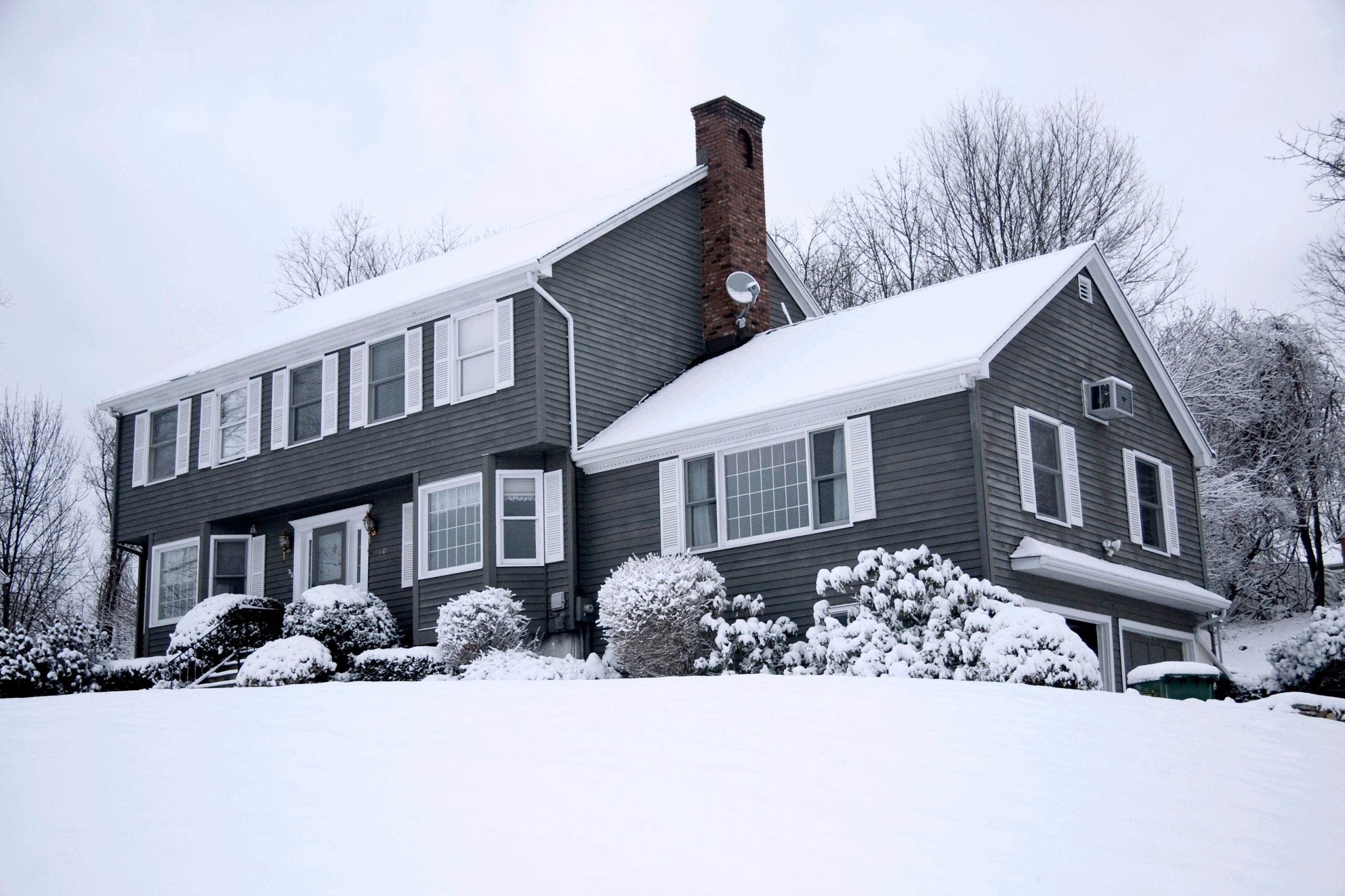
Traditional American colonial style house in winter
Illinois winters can be hard on a house. Freezing temperatures, snow, ice, and strong winds can expose small problems that were easy to ignore during warmer months.
Fortunately, a little preparation can prevent some expensive repairs. Whether you own a house in Bartlett, Geneva, Schaumburg, or another western suburb, this winter home maintenance checklist will help you focus on what matters before temperatures drop.
You don’t need to tackle everything in one weekend. Instead, start with the tasks that protect your plumbing, heating system, and home from water damage.
Start With Outdoor Faucets and Exposed Pipes
Frozen pipes can cause major damage when they burst. However, a few simple steps can reduce that risk.
First, disconnect garden hoses from outdoor faucets. Drain and store them before freezing weather arrives. If your home has indoor shutoff valves for its outdoor faucets, follow the proper steps to shut off and drain those lines.
Also, have your lawn irrigation system winterized according to its manufacturer’s instructions. Water left in the system can freeze and damage pipes or other parts.
Inside the house, look for exposed plumbing in garages, crawl spaces, and unheated areas. Pipes near exterior walls may also need protection.
The American Red Cross recommends insulating exposed pipes and keeping garage doors closed when water lines run through the garage. During extreme cold, opening cabinet doors can also help warm air reach pipes beneath sinks.
You can find more guidance in the American Red Cross guide to preventing frozen pipes.
Make Heating a Priority on Your Winter Home Maintenance Checklist
Your furnace works hardest when outdoor temperatures fall. Therefore, it’s worth checking the system before the first stretch of severe cold.
Replace or clean your furnace filter according to the manufacturer’s directions. A dirty filter can restrict airflow and make the system work harder.
Next, schedule a professional inspection if your heating system is due for service. A technician can check the equipment and identify problems that may not be obvious.
If you use a fireplace, have the chimney and related equipment inspected and cleaned as needed.
Finally, test your smoke and carbon monoxide alarms. Carbon monoxide is especially dangerous because you cannot see or smell it.
The Illinois Office of the State Fire Marshal recommends regular alarm testing and professional maintenance of heating equipment.
These steps deserve attention even when your furnace appears to be working normally.
Check Gutters, Downspouts, and Drainage
Leaves are part of fall in the western suburbs. Unfortunately, they can also block gutters and downspouts.
When water cannot drain properly, it may overflow near the roof or collect around the foundation. Then, freezing temperatures can make existing drainage problems worse.
Before winter, inspect your gutters for leaves and debris. In addition, check that downspouts direct water away from the house.
Look around the foundation for areas where water tends to collect. If you notice drainage problems, address them before the ground freezes.
Also, examine the roof from a safe location for loose or damaged shingles. You don’t need to climb onto the roof yourself. In fact, a roofing professional is the better choice when repairs or inspections require working at height.
A small drainage problem is much easier to handle before it turns into a winter leak.
Find the Drafts That Make Your Home Harder to Heat
Cold air often enters through gaps around windows, doors, and other openings.
Walk through your home on a chilly day. Check for drafts near exterior doors, window frames, and basement openings.
For smaller gaps, weatherstripping or caulk may help. However, use products meant for the surface and location you’re sealing. Never block vents or openings needed for proper equipment operation.
The U.S. Department of Energy recommends sealing air leaks and maintaining heating-system filters to improve energy efficiency.
Also, pay attention to rooms that stay noticeably colder than others. Drafts, uneven insulation, or heating problems may be contributing factors.
Not every issue requires a major renovation. Sometimes, a modest repair can improve comfort during the colder months.
Prepare for Snow, Ice, and Winter Power Outages
Snow removal is easier when your supplies are ready before the first storm.
Check your snow shovel or snowblower. If you use a snowblower, follow the manufacturer’s maintenance and safety instructions.
Next, keep an appropriate ice-melting product available for walkways. If you have pets, check the product’s safety directions and clean their paws after outdoor walks.
It’s also worth checking your village’s snow removal rules. Requirements for clearing sidewalks can vary by municipality.
Beyond snow, prepare for possible power outages. Keep flashlights, batteries, charged power banks, and basic emergency supplies in an easy-to-find location.
If you use a portable generator, never operate it inside your home or garage. Generators can produce deadly carbon monoxide, even when doors are open.
You can find additional cold-weather safety advice through Ready Illinois.
Know Your Home Before Something Goes Wrong
One of the most useful winter tasks doesn’t require any tools.
Make sure you know where your home’s main water shutoff valve is located. If a pipe breaks, shutting off the water quickly can limit damage.
Also, locate your electrical panel and learn how your heating system operates. Keep important service numbers somewhere accessible.
If you recently purchased a home, consider making a simple maintenance record. Include the dates of furnace service, plumbing repairs, roof work, and other major updates.
That record can help you stay organized. In addition, it may be useful when you eventually decide to sell.
For anyone still searching for a home, my guide to choosing a community in Chicago’s western suburbs offers a starting point for comparing locations. Once you have the keys, learning how to care for the property becomes just as important.
A Little Preparation Goes a Long Way
Winter home maintenance doesn’t have to become a long list of expensive projects.
Start with outdoor water lines, heating equipment, alarms, and drainage. Then, handle smaller improvements as time and your budget allow.
Most importantly, don’t ignore a problem simply because the house has made it through previous winters. A little attention now can help you avoid an unpleasant surprise in January.
If you’re thinking about buying, selling, or making a move in Chicago’s western or northwestern suburbs, I’d be happy to help you explore your options.
Mario Grado, REALTOR®
Coldwell Banker Realty
630-536-4560
Mario.Grado@cbrealty.com
